


An award can put a watch on your radar. It cannot tell you whether you should own it.
Every November, the Grand Prix d’Horlogerie de Genève shortlist circulates through collector forums, Instagram feeds, and WhatsApp groups. People screenshot the nominations, debate the categories, and wait for the winners. Most buyers skip the more useful part: learning to read what the shortlist shows versus what it doesn’t.
This year’s ceremony takes place on 7 November 2026 at the Bâtiment des Forces Motrices in Geneva, with a livestream available on the GPHG website. The Academy nominated 84 timepieces from 320 entries submitted by 194 brands across 14 categories. Nineteen prizes will be awarded, with the Aiguille d’Or Grand Prix sitting at the top.
If you are a collector in Dubai paying attention to this list, here is how to get something useful from it.
What GPHG Is, and What It Isn’t
The GPHG is a watchmaking competition. An independent Academy evaluates submitted watches against criteria that include technical achievement, aesthetic coherence, originality, and finishing quality. Brands choose whether to submit. A brand absent from the shortlist has not been judged inferior. It may simply have chosen not to enter, or it may have entered a piece that didn’t make the 84-watch cut from 320 candidates.
This matters because some buyers treat the nominations as a ranking of the year’s best watches. That is not what the list is. It is a curated selection of submitted pieces that the Academy found noteworthy across a defined set of categories. Winning a category is meaningful in the context of this competition. It does not guarantee secondary market demand, wearability, or servicing accessibility in the UAE.
The shortlist is a starting point. Treat it like a recommendation from someone with excellent technical knowledge and strong aesthetic opinions: useful for discovery, not binding as a purchase decision.
Six Nominations Worth Understanding
The 2026 shortlist spans categories from simple time-only pieces to complicated sports watches and independent productions. These six are worth examining not because they rank above the others, but because each raises a different question a Dubai collector should be asking.
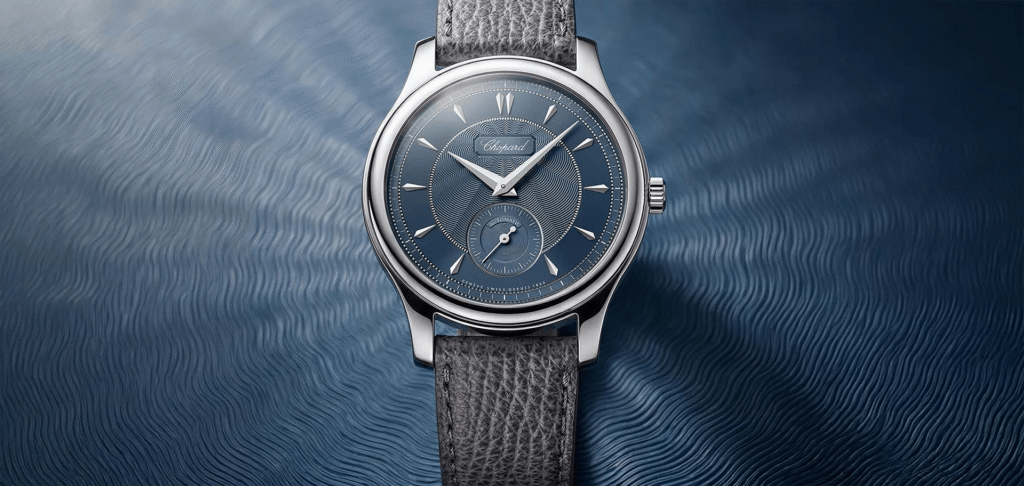
Chopard L.U.C 1860 (Time Only category)
The L.U.C line is Chopard’s in-house watchmaking arm, separate from its jewelry and fashion watches. The 1860 is named for the year Louis-Ulysse Chopard founded the company. In a time-only category, what the Academy is weighing is whether the watch does one thing exceptionally well. For a collector, the question is straightforward: what draws you to a watch that shows only hours and minutes, and does this one do it better than the alternatives you already know?
Laurent Ferrier Classic Origin Beige (Time Only category)
Laurent Ferrier is a small Geneva-based atelier. The Classic Origin range is its most accessible, but accessible here is relative. These are restrained, proportionally considered watches made in limited numbers. The beige dial variant is interesting because it requires genuine confidence to wear without looking for external validation from a recognizable logo. If you find yourself wanting to know more about this maker after seeing the nomination, that curiosity is the point.

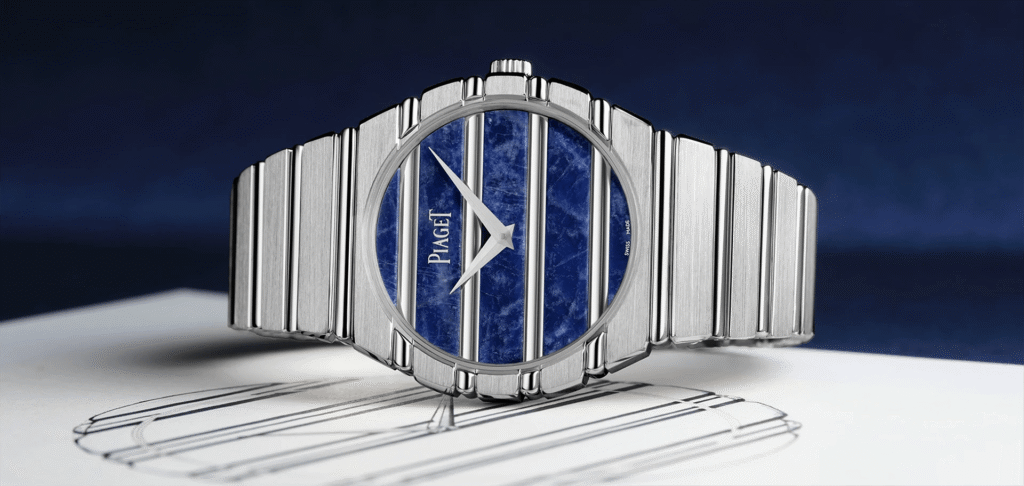
Piaget Polo 79 Sodalite Watch (Time Only category)
Sodalite is a deep blue mineral with white veining. Piaget has a long history with stone dials, and the Polo 79 uses one here in a bracelet watch context. The editorial question worth asking: does the dial material make the overall design more coherent, or is it doing the work of justifying an otherwise conventional piece? Stone dials have become popular across the market. That doesn’t make them wrong, but it does mean the choice needs closer examination than it did five years ago.
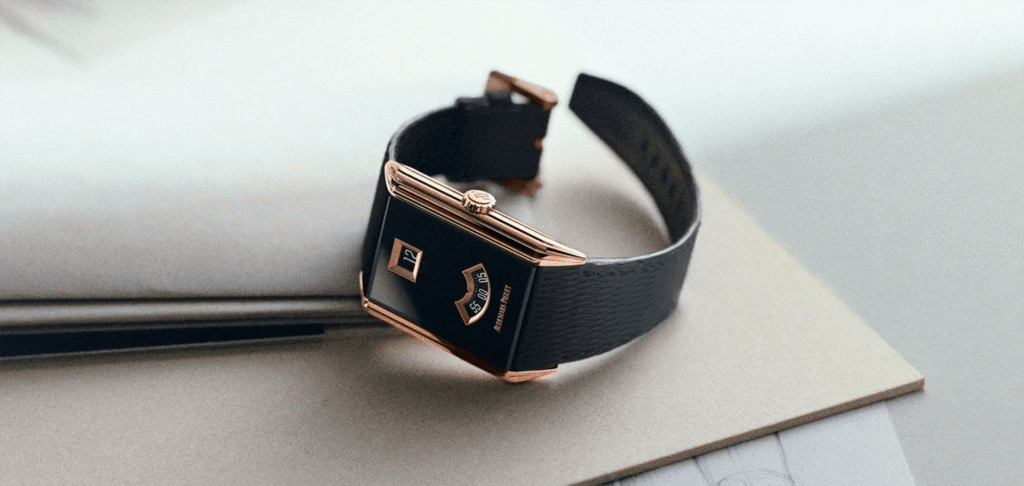
Audemars Piguet Neo Frame Jumping Hour (Essential category)
A jumping hour display shows the current hour in a window that changes at the top of each hour rather than tracking continuously around a dial. AP is applying this complication to the Neo Frame case, which is one of its more contemporary designs. The collector question here is practical: do you actually want to read the time differently, or does the mechanical concept interest you more than the wearing experience? Both are valid answers, but they lead to different decisions.
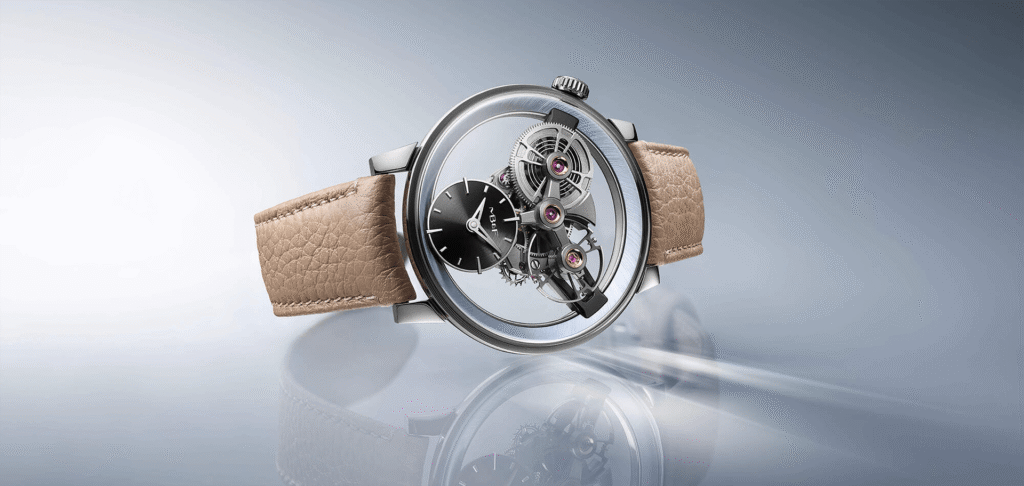
MB&F SP One Platinum (Essential category)
MB&F produces what it calls “horological machines,” which is an accurate description. These are sculptural, often unconventional pieces that prioritize concept and execution over traditional legibility. The SP One in platinum sits at the higher end of the brand’s range. It is worth examining because it asks a genuine question: what does a watch need to do to justify owning it, and does this answer that for you?
Audemars Piguet Royal Oak “Jumbo” Extra-Thin Selfwinding Flying Tourbillon Chronograph RD#5 150th Anniversary (Chronograph category)
This piece stands out for combining three complications, an ultra-thin movement, and an anniversary reference in a single watch. AP’s Research & Development series pieces are intentional technical statements. The question a Dubai collector should ask is whether mechanical ambition at this level translates into an ownership experience, or whether it is more meaningfully appreciated on a manufacturer’s wrist than on yours during a Tuesday in JLT.
Why Simple Watches Belong on the Same List as Complicated Ones
Newer collectors tend to weigh complications as evidence of value. A watch with a tourbillon, perpetual calendar, or minute repeater must be more serious than one that only shows the time.
The GPHG shortlist pushes back on this every year by nominating time-only pieces alongside multi-complication entries in separate categories. A watchmaker who can produce a movement that runs accurately, finishes beautifully, and wears elegantly for decades without unnecessary features demonstrates a different kind of skill. Neither approach is superior. They serve different collectors.
When you look at a simple watch on this list, ask what the maker chose to do with the space and resources that would otherwise have gone into additional complications. The answer is usually more interesting than it first appears.
Five Questions to Ask Before Buying an Award-Nominated Watch
These are not rules. They are a framework for thinking clearly rather than acting on the social momentum that tends to build around a name once it appears in an awards context.
Can you explain what interests you, beyond the nomination? If the only reason the watch has your attention is the award, acknowledge that. That is not necessarily a reason to stop looking, but it should prompt you to find a second reason unrelated to the competition.
Does it work on your wrist? An award evaluates a watch against category criteria. It doesn’t account for your wrist size, sleeve width, whether you wear suits or shorts, or how the bracelet sits at the end of a hot day in Dubai. None of that shows up on a nomination certificate.
Can you get it serviced reliably? Some nominated watches come from small independents with limited global service infrastructure. Before purchasing, ask where the nearest authorized service point is, what the expected turnaround is, and what the cost looks like. In the UAE, this matters more than it does in Geneva.
Are you comfortable with the price and the resale audience? More obscure nominations may be harder to move later, not because the watch is inferior, but because fewer buyers know it and want it. If you are buying to hold long-term, this matters less. If your collection turns over regularly, it is worth thinking about.
Would you still want it without the award? This is the cleanest test. If you’d still be drawn to it when you see the watch cold, with no context and no shortlist mention, that is a much more reliable signal than competitive recognition.
How a Dubai Buyer Can Investigate a Watch Not Currently Available Locally
Several pieces on the GPHG shortlist are not stocked by dealers in Dubai, and some are produced in quantities that make finding one a sourcing exercise rather than a shop visit. This is not unusual for serious collectors, but it does require a different approach.
Start with the brand’s official channels to understand production context, retail pricing, and authorized points of sale. Then speak to a pre-owned specialist who has experience sourcing specific references. WatchX offers a concierge sourcing service for collectors who want help tracking down a specific piece, verifying its condition and documentation, and understanding fair market pricing in Dubai today.
WatchX can’t source every watch on the GPHG list immediately. But for those that enter the secondary market, a dealer who already understands the reference is a more useful starting point than starting from scratch.
You can explore current inventory at watchxglobal.com/shop/ or contact the WatchX team in JLT to discuss a specific reference.
The Ceremony Is on 7 November. Read the Results Carefully.
When the winners are announced, coverage will frame the Aiguille d’Or winner as the best watch of the year. That framing doesn’t reflect what the award is. The winner is the piece the Academy found most compelling across its criteria, from among the watches submitted to that competition, in that year.
That is meaningful. It is not a definitive ranking, a market forecast, or a guarantee of appreciation.
Read the results with the same framework you would apply before buying. Who made it, what does it do, does it suit your wrist, and can you get it serviced? The award adds context. It does not answer those questions for you.
For sourcing inquiries or to arrange a viewing at WatchX JLT, contact the team via /watch-concierge-services-dubai/.
Frequently asked questions
What is the GPHG?
The Grand Prix d’Horlogerie de Genève is an annual watchmaking competition organized by a Geneva foundation. An independent Academy evaluates submitted watches across categories covering time-only pieces, complications, chronographs, sports watches, and more. It awards prizes to watches it judges most accomplished within each category, with the Aiguille d’Or as the overall prize. Participation is voluntary, so not making the shortlist does not mean a brand or watch is inferior.
When is the GPHG 2026 ceremony?
The 26th ceremony takes place on Saturday, 7 November 2026, at the Bâtiment des Forces Motrices in Geneva. A livestream is available on the GPHG website.
Does a GPHG nomination make a watch a good investment?
Not automatically. A nomination reflects the Academy’s assessment of a watch’s technical and aesthetic qualities. Secondary market value depends on different factors, including brand recognition, reference scarcity, collector demand, and overall condition. Some nominated watches from smaller independents have a limited resale audience. Treat the nomination as useful context, not a purchase signal on its own.
Should I buy an award-winning watch without trying it on?
No. Awards evaluate the watch, not how it fits your wrist, how it reads in different light, or how it suits the way you dress. If you are considering a piece from a brand or category you haven’t worn before, seeing and handling it first is always worth the effort.
Can WatchX help me source a specific reference from the GPHG shortlist?
WatchX offers a concierge sourcing service for collectors looking for specific references that are not currently in active inventory. The team can advise on availability, condition benchmarks, and what to expect in pre-owned pricing. Contact the JLT showroom to discuss a specific piece.