


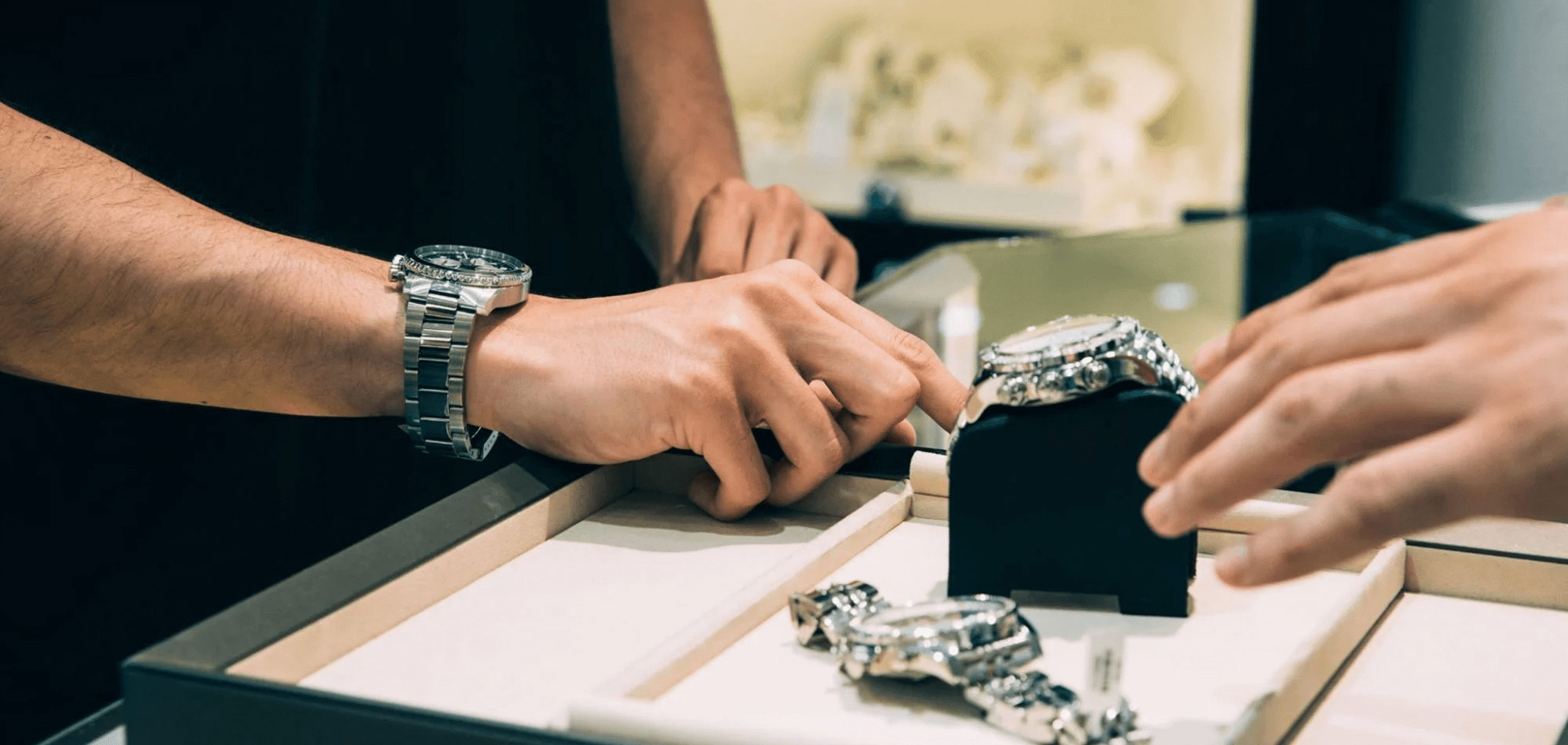
There is a reason the world’s most important watch brands now treat Dubai as more than a retail stop. The UAE has become a market that shapes global allocations, influences production decisions, and sets the tone for how serious collectors approach the secondary market. Understanding what is driving that shift, and where it is headed, matters whether you are buying your first serious timepiece or adding to a collection you have been building for years.
A Market That Keeps Growing While Others Slow Down
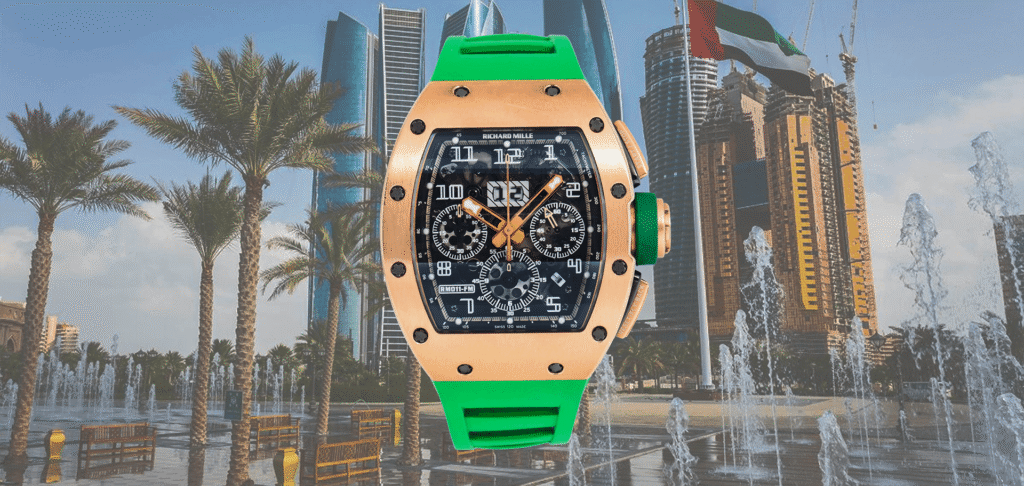
When the Federation of the Swiss Watch Industry published its full-year 2025 export data, the numbers told a story worth paying attention to. Global Swiss watch exports fell 1.7% year-on-year, with sharp declines in China, Japan, and Hong Kong. The UAE moved in the opposite direction, recording a 3.5% increase in Swiss watch imports for the full year. In the first half of 2025 alone, the UAE imported over $770 million worth of Swiss watches, accounting for 58% of all Gulf imports from the five major GCC markets combined.
That figure does not happen by accident. It reflects a concentration of wealth, a tax-free purchasing environment, a mature collector base, and a city that has invested deliberately in positioning itself as a global horological hub. The UAE luxury watch market was valued at approximately $1.61 billion in 2024 and is forecast to reach $2.21 billion by 2030, growing at a compound annual rate of 5.21%.
Around 7,000 millionaires relocated to the UAE in 2024 alone, following 4,700 the year before. This incoming wealth is not passive. It enters the market, and a meaningful share of it enters the watch market specifically, because the UAE’s culture around luxury timepieces runs deeper than convenience or tax savings.
The Pre-Owned Market Is Outpacing New Watch Retail
The most significant structural shift in the UAE watch market right now is happening not in boutiques, but in the secondary market. The UAE pre-owned luxury watch segment generated $511.9 million in 2023 and is projected to reach $816.7 million by 2030, growing at a compound annual growth rate of 6.9%, faster than the broader luxury watch market.
This growth is not being driven by speculation. The post-COVID wave of flippers, who bought at retail and sold at inflated premiums, has largely exited the market. What remains is a buyer base made up of long-term collectors, family offices treating watches as portable wealth assets, and first-time buyers who have done their research and understand what they are acquiring. The profile of the UAE pre-owned buyer has matured considerably, and the standards they bring to a transaction, authentication, provenance, condition, and seller credibility, have risen with it.
Christie’s Dubai has been one of the clearest indicators of that shift. In 2021, it sold a Patek Philippe Sky Moon Tourbillon for $1.59 million, the first million-dollar watch sold online in the region. Since then, auction lots previewed in Dubai have routinely attracted record bids, including ultra-rare vintage Rolex models that have commanded up to $4.7 million at regional sales. Sellers now look specifically to the Gulf because they know buyers here understand value quickly and commit decisively.
For buyers looking to enter or expand in the pre-owned space, the current moment is being described by industry insiders as a buyer’s market, one where the correction from pandemic-era peaks has created access to serious references at honest prices, with no waitlists and no inflated hype.
Browse the current authenticated pre-owned collection at WatchX: https://watchxglobal.com/shop/
Dubai Watch Week and the City’s Growing Influence on the Global Calendar
No single event better reflects Dubai’s standing in the horological world than Dubai Watch Week. The seventh edition in November 2025 drew more than 50,000 visitors across five days, hosted over 90 participating brands, including Rolex, Audemars Piguet, Patek Philippe, and more than 40 independent makers, and expanded its venue to over 200,000 square feet at Burj Park in Dubai Mall. It was the largest edition in the event’s ten-year history.
What made the 2025 edition particularly significant was the caliber of conversation it hosted alongside the watches. Rolex CEO Jean-Frédéric Dufour made a rare public appearance in conversation with the Chairman of Seddiqi Holding. The CEO Roundtable brought together the heads of Breitling, Richemont, Chopard, and Audemars Piguet. These are not conversations that happen at trade shows. They happen at events where the audience is taken seriously.
Ilaria Resta, CEO of Audemars Piguet, captured the city’s position plainly: “It’s a melting pot of different cultures. Dubai is at the crossroads of so many different cultural influences. There is an openness to innovation.” That openness, combined with a collector base that travels from Australia, Japan, and the United States specifically to attend, is why Dubai Watch Week is increasingly being called upon to become an annual event rather than a biennial one.
The GCC Collector Has Changed
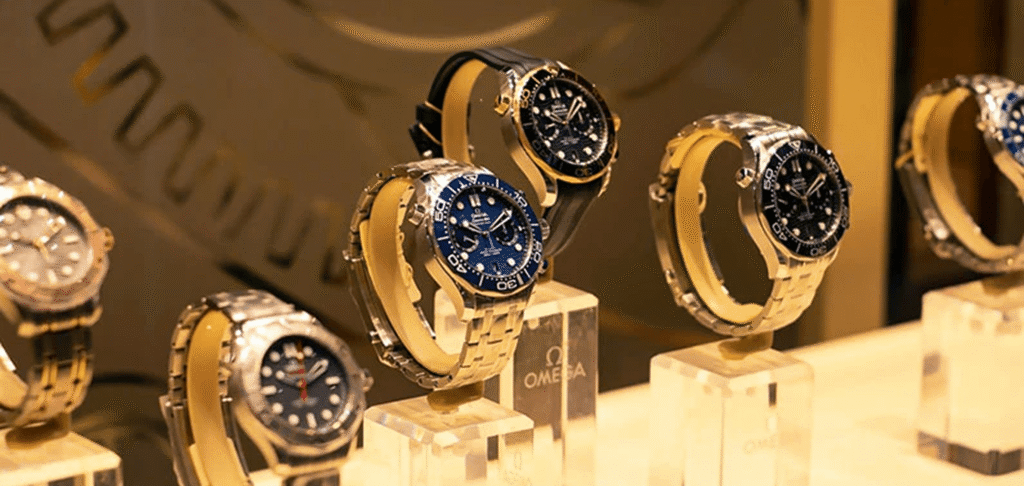
The conventional portrait of the GCC watch buyer, someone purchasing a luxury piece as a status symbol at a flagship boutique, no longer captures the full picture. Today’s collector in the region is informed, selective, and increasingly focused on pieces that carry horological significance beyond their retail price.
FutureGrail, which tracks auction behavior across the region, forecasts that GCC buyers will account for 20% to 25% of top-value watch auction transactions globally in 2026, with over $200 million in watches expected to pass into regional hands in the next 12 months alone. The preference has shifted toward rare references, limited-production pieces, and watches with regional provenance, a category that commands serious premiums. A Rolex GMT-Master Ref. 1675 commissioned by Sheik Mohammed bin Rashid Al Maktoum sold for over $113,000 in 2024. A vintage Rolex Daytona Ref. 6265 commissioned by the UAE Ministry of Defense has sold for over $300,000. These are not anomalies. They are signals.
Men continue to drive watch transaction volume in the GCC, particularly through their interest in mechanical complexity and collector references. But women’s luxury watches represent one of the fastest-growing segments in the UAE market, a trend that market analysts expect to continue through the rest of the decade. The collector base is widening without diluting the sophistication that defines the most active buyers in the region.
What the Secondary Market Recovery Means for Buyers
The watch market experienced a meaningful correction between 2022 and early 2025, following the speculative surge of the pandemic years. Prices for major Rolex models fell around 5% in 2024. Audemars Piguet shed approximately 7.5% on the secondary market. Patek Philippe declined around 4%.
By 2025, the recovery was underway. WatchCharts data, cited in the Morgan Stanley Q4 2025 Watch Market Report, showed secondary prices rising 4.9% for the full year, a meaningful reversal from declines of 6.1% in 2024 and 10.7% in 2023. Rolex maintained its position as the only major brand consistently trading above retail price, with a value retention of +15.7%. Patek Philippe posted a 3.9% quarterly gain in Q3 2025, its strongest quarterly performance since early 2022.
For UAE buyers, this recovery plays out against a background of structural demand advantages that do not exist in most other markets. Production volumes for the most sought-after references remain tightly controlled. The brands that matter, Rolex, Patek Philippe, and Audemars Piguet, do not flood the market to chase short-term revenue. Their scarcity is by design, and scarcity in a market with growing buyer demand tends to support prices over time.
The watches that hold value share a consistent set of characteristics: limited production, a brand with uninterrupted mechanical heritage, complexity that cannot be replicated at volume, and a global collector base that does not disappear when the broader market softens. These are the pieces WatchX sources, authenticates, and brings to buyers in Dubai who understand the difference between buying a watch and buying a reference.
Explore the full collection: https://watchxglobal.com/shop/