

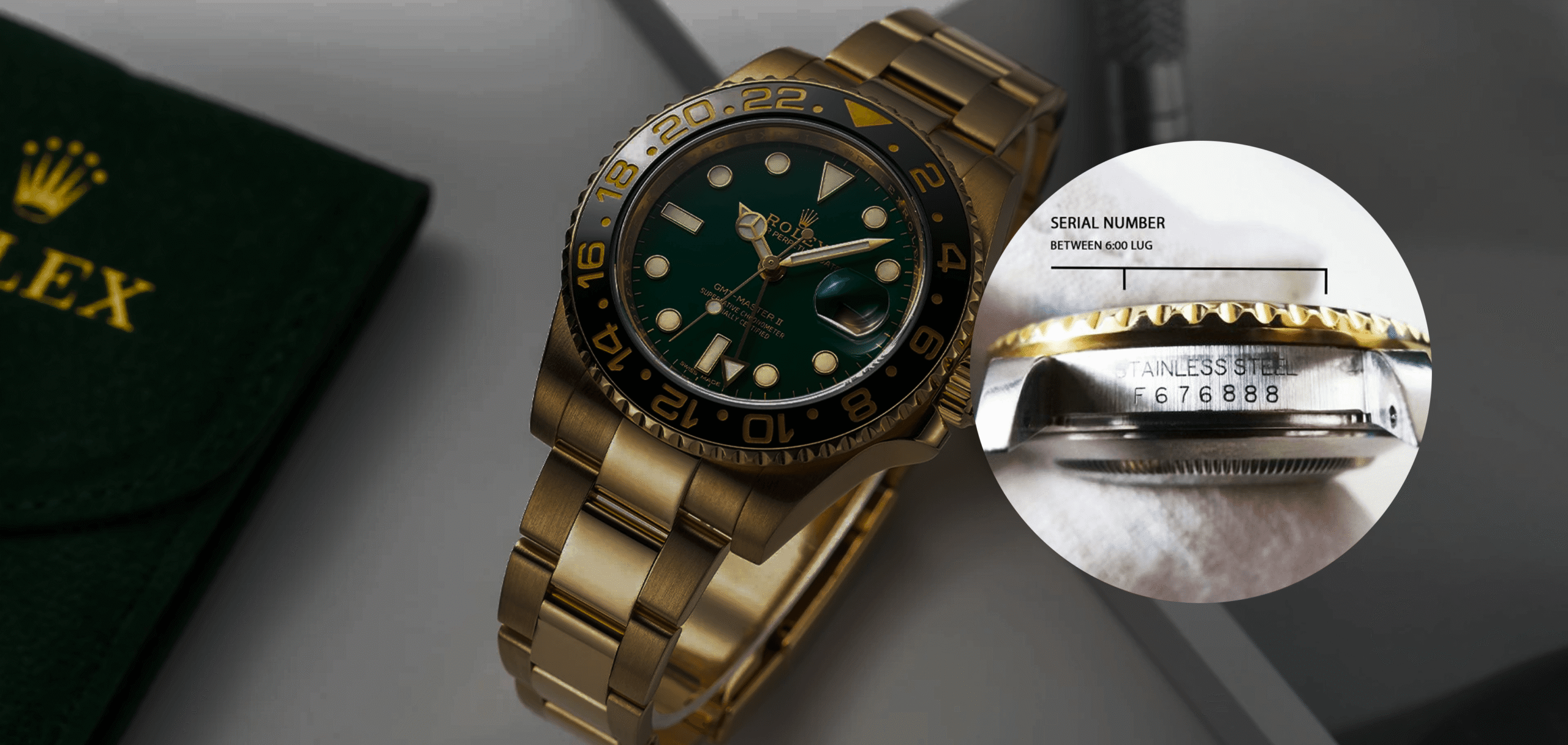
Every serious watch purchase starts with one quiet detail: the reference number.
If you collect, trade, or are choosing your first luxury watch in the UAE, the reference number is the first thing you should understand. It is not a marketing label or a casual internal code. It is the watch’s identity card.
A watch reference number is a structured code assigned by the manufacturer that defines the exact configuration of a timepiece. It typically captures the model family, case size, material, movement type, and often the dial or bracelet variation. Two watches can look nearly identical in a showcase, yet carry different reference numbers that separate a standard production piece from a highly sought collector’s configuration.
For a high-net-worth collector, this code is the entry point to serious research. It allows you to confirm whether a watch matches the seller’s description, aligns with the official catalogue details, and falls within the correct production period. That is the difference between a carefully selected asset and a piece that becomes difficult to justify in a portfolio later.
For a first-time buyer or a younger professional stepping up to a more significant watch, the reference number brings clarity to a crowded market. You can match what you are shown against what the brand officially produced, check the material and movement specification, and understand what you are paying for. It makes pricing conversations and trade-in discussions far more grounded.
For resellers and investors in Dubai, the reference number sits at the centre of valuation, authenticity, and liquidity. It allows you to:
- Verify authenticity against brand documentation and trusted databases
- Confirm model specifics that affect demand and resale value
- Trace provenance when paired with serial numbers, papers, and service records
The reference number is the link between the watch in your hand and its documented history.
In a market as active as the UAE, where buyers move quickly and capital is often spread across multiple pieces, ignoring the reference number is not a viable approach. If you want reliable appreciation, straightforward resale, and genuine confidence in what you own, you start with this code, read it correctly, and let it guide every decision that follows.
Decoding the Reference Number: What Each Part Means
Each brand uses its own structure, but most reference numbers combine a consistent set of elements that define the exact watch you are looking at.
The Main Components
Formats differ across manufacturers, but you will usually be reading some version of the following:
- Model family: the base design or collection
- Case size and design: dimensions and case shape
- Material code: steel, precious metal, two-tone, or other materials
- Dial variation: colour, finish, indexes, and sometimes language
- Movement type: automatic, manual, quartz, or a specific calibre family
- Bracelet or strap configuration: bracelet style, strap type, or clasp variation
Some manufacturers combine several of these into a single block of digits or letters. Others separate them into distinct segments. The key point is that each configuration change, even when visually subtle, typically yields a different reference number.
How Each Element Affects Value
Case design and size. A few characters often reveal case diameter, thickness, or a particular case style. For a collector, a reference confirming a rarer case size or an earlier-generation case profile can justify a premium and a clear place in a curated portfolio. For a first-time buyer, it helps match the watch to wrist comfort and personal style without guesswork.
Material code. Letters or digits usually indicate steel, gold, platinum, or mixed metals. Small differences in this section of the reference can represent a significant change in market price. Investors and Dubai resellers study these codes carefully to avoid mispricing inventory when metal values and demand shift.
Dial variation. Dial codes point to colour, index style, special finishes, or language layouts. This is often where desirability shifts most noticeably. A specific dial configuration captured inside the reference can separate a standard trade piece from one that attracts strong secondary market interest.
Movement information. Some brands encode the movement family or complication level. This matters for servicing costs, reliability expectations, and long-term collectability. In the UAE, where service history influences every negotiation, knowing the movement from the reference number helps you plan maintenance and assess whether a watch fits your strategy.
Bracelet and strap configuration. Certain references indicate whether the watch left the factory with a bracelet, leather strap, or other material. This affects liquidity because many buyers in the region prefer the original factory configuration, as stated in the reference.
When you understand what each part of the reference describes, you stop buying by appearance and start buying by specification. Brands such asRolex,Patek Philippe,Audemars Piguet, andCartier each use their own coding conventions, but the underlying logic is the same across all of them: the reference tells you exactly what was built.
Why Reference Numbers Matter for Authentication and Provenance
For any serious buyer in the UAE, the reference number is your first line of defence against uncertainty. It connects the watch on the table to what the brand actually produced. Without that link, you are relying on trust alone.
Verifying Authenticity Against Official Records
When you know the correct reference, you can compare the watch against official catalogue data, authenticated databases, and brand documentation. This lets you confirm:
- That the case, dial, bracelet, and movement match the reference
- That the materials and complications are correct for that model family
- That the reference existed in the configuration, the seller claims
If anything does not align, you have a clear warning. A mismatched dial, a different metal, or a movement that does not correspond to the reference often signals modification or a non-original assembly. For a high-net-worth collector, that difference determines whether a piece belongs in a long-term portfolio or stays with the seller.
The reference number turns vague assurances into verifiable facts.
Confirming Originality, Not Just Appearance
Many watches look correct at a glance. The reference number, paired with the serial number, allows a deeper check. You can confirm whether the watch left the factory with that specific dial or bracelet, whether the metal and finish match the production description for that reference, and whether the movement type and complication are original rather than swapped.
For a buyer stepping into luxury watch ownership for the first time, this protects you from overpaying for a watch that has been altered in ways that reduce long-term value. For investors and traders, it protects margin and reputation when the piece moves on to the next buyer.
Tracking Provenance and Service History
Provenance starts with a clean link between the reference number, serial number, and paperwork. When all three align, you can build a reliable ownership and service history. This matters when you want to confirm that stamped papers and cards genuinely belong to the watch, match service invoices and parts replacements to the correct reference, and assess whether the watch has maintained its original configuration over time.
Service centres record work by reference and serial number. If your documents reflect a different reference than the watch in front of you, both value and buyer confidence suffer. In the UAE market, where buyers compare offers quickly and expect transparency, a clean match between reference, history, and physical watch keeps negotiations straightforward.
A correct reference number supported by matching records does more than prove the watch is genuine. It proves the story behind it is consistent. For collectors, first-time buyers, and professional traders, that consistency protects resale value, supports appreciation, and maintains confidence each time a watch changes hands.
Using Reference Numbers to Assess Market Value
When you understand reference numbers, you stop estimating value. You can see where a watch sits in the market, how difficult it will be to replace, and how it fits your long-term strategy in the UAE.
Identifying Rare Configurations
Reference numbers often separate a common production piece from a watch that serious collectors actively seek. Small changes inside the code can indicate a specific dial variant that appears infrequently on the market, a short production run within a wider model family, or a special material or bracelet configuration produced in lower quantities.
For a collector building a focused, high-conviction collection, this allows you to distinguish which references deserve a long-term hold. For a reseller, it helps you choose stock that either moves quickly or holds firm pricing when supply is limited.
Scarcity often sits in the reference number, not in the sales description.
Building a Pricing and Liquidity Framework
Tracking specific references over time builds a personal view of value. A practical internal framework might include:
- Category tags for each reference: core production, discontinued, or special configuration
- Market breadth notes: widely available across platforms versus rarely offered
- Pricing bands are reviewed periodically, separating typical trade values from expected retail asks
For a buyer entering the market, this structure helps you avoid overpaying for a current production reference you can source again later. For investors and traders, it supports disciplined buying rather than reacting to whatever appears in a showcase or on a listing platform.
Spotting Emerging Demand
In the UAE, demand can shift from one reference to another within the same model family over a relatively short period. If you track which codes attract more enquiries when listed, clear faster at firm prices, and require less negotiation to move, you begin to see where demand is building ahead of wider awareness. That information is useful for portfolio rotation: you hold certain references as long-term keepers and release others while spreads are attractive.
Structuring a Portfolio Around References
When each watch in your collection is logged by reference, with notes on production characteristics and market behaviour, you can manage your pieces as a structured portfolio rather than a group of individual acquisitions. A straightforward classification might be:
- Anchor pieces for stability and long-term holding
- Tactical trades intended for exit at a target spread
- Speculative positions in references you believe are currently underpriced
For collectors, this keeps acquisitions aligned with strategy rather than impulse. For resellers in Dubai, it supports consistent trading over opportunistic flipping.
Practical Tips for Buyers and Resellers
Once you know how to read a reference number, the next step is to use it actively in every negotiation, trade-in, and resale discussion.
Confirm the Reference Before Any Price Discussion
Before numbers come up, always ask for the full reference number rather than just the model name. Check that the reference on the case, warranty card, and invoice all match. Compare the reference against official brand catalogue information or trusted specification databases. If you see any mismatch in reference or configuration, pause the conversation.
Use Digital Platforms as Verification Tools, Not Price Dictators
Marketplaces and reference databases are useful when applied with discipline. Search by full reference rather than model name alone. Filter out listings without clear reference and serial number photos. Note the spread between the lower and higher asking prices for the same reference.
Use those listings as a range indicator, not a final verdict. Condition, completeness, production period, and service history explain why one example of a reference sits at the lower band while another commands a premium. Treat digital prices as a starting framework, then adjust based on what is physically in front of you.
Build a Reference Checklist for Trade-Ins and Resale
When you prepare a watch for trade or sale, run it through a consistent checklist:
- Specification check: case, dial, bracelet, and movement match the reference description
- Paperwork match: warranty card, invoice, and service records all show the same reference
- Market position: reference classified as core production, discontinued, or special configuration
- Completeness: box, books, extra links, or straps aligned with what was standard for that reference
This keeps valuations consistent and defensible and speeds up negotiations because you can explain your number with clear, reference-based reasoning.
Use Reference History in Negotiation
When you discuss pricing in the UAE, the reference number provides a factual basis for your position. You can point to how often that reference appears across platforms, whether it has trended toward the higher or lower end of its typical price range, and how quickly comparable references have sold at different asking prices. For a buyer, this supports a calm, data-based counteroffer. For a reseller, it helps you justify your ask and hold firm when a piece is genuinely scarce.
Keep a Reference Log, Not Just Screenshots
The most consistent collectors and traders in the region keep a simple log where each reference they own or seriously consider has key configuration notes, including material, dial, and bracelet, a purchase or offer range observed across platforms, and a target exit band or intended holding period.
This turns your activity into a structured practice. You buy with intention, trade with clarity, and avoid emotional pricing.
Reference Numbers, Warranty Coverage, and Servicing
The reference number remains useful even once the watch is on your wrist. It sits at the centre of warranty coverage, servicing decisions, and long-term value preservation in an active market like the UAE.
Warranty Validity
When a brand or authorised retailer registers a warranty, they record the reference number together with the serial and purchase details. If these elements do not align later, you can face questions about whether the watch matches the original sale record, delays or refusals for warranty work if the configuration appears altered, and reduced trust when you present the watch for resale or trade-in.
Before relying on any warranty, confirm that the reference on the case matches what appears on the warranty card and invoice.
Servicing Based on Reference
Service centres base their technical decisions on the reference number because it tells them exactly what left the factory. This affects parts compatibility, since many components are reference-specific, recommended service intervals for that movement family, and what constitutes approved versus non-standard work.
If a watch has been altered away from its original reference specification, service centres may note this, restrict certain repairs, or quote on different terms. Knowing the correct reference lets you ask the right questions about parts availability, lead times, and expected costs within the UAE service network.
Accessing Authorised Service in the UAE
When you approach an authorised service centre in the region, the reference number helps the team identify the correct technical documentation for your watch, order specific parts that match your configuration, and confirm whether any brand programmes or warranty policies apply to that reference. Arriving with a clear reference, matching paperwork, and a documented service history reduces friction and signals that you manage your collection professionally.
Keeping Watches Aligned With Their Original Reference
Every servicing decision influences future value. The reference number is your benchmark for what is considered original. When you authorise work, ask whether proposed changes will match the factory specification, whether any replaced parts are correct for that reference and period, and whether the service record will clearly reflect the reference number and work performed.
For investors and resellers, this helps you maintain watches in a condition that supports strong bids in the secondary market. For private owners, it prevents unintentional loss of value from casual modifications.
Where to Apply This in the UAE
Reference fluency is only useful if you use it consistently from the moment you start evaluating a watch until it leaves your hands.
When you shortlist a piece, write down the full reference and compare it to trusted specification sources. When you negotiate, base your position on that specific reference rather than the model name. When you service or trade, confirm that all records, cards, and invoices accurately carry the same reference.
If you want to build a longer-term reference log, keep brief notes on each configuration you own or are tracking: observed pricing ranges across the UAE market, your intended role for the piece, and any service work performed. Over time, that file becomes a private market guide tailored to how you actually operate.
You do not need to memorise every brand’s coding system immediately. You only need the habit of asking one question before any purchase: what is the reference, and what does it tell me about this watch?
When that question becomes automatic, purchases feel more grounded, trades close faster, and every watch in the collection reflects a decision rather than an impulse.
The team at WatchX can help you verify a reference, assess a piece you are considering, or guide you through a trade-in. Browse available references for Rolex, Patek Philippe, Audemars Piguet, and Cartier on the WatchX website, or contact us directly to speak with a specialist before your next move.
All watches at WatchX Dubai are authenticated in-house and come with a written guarantee. Pricing in AED. Serviced using genuine parts only.