

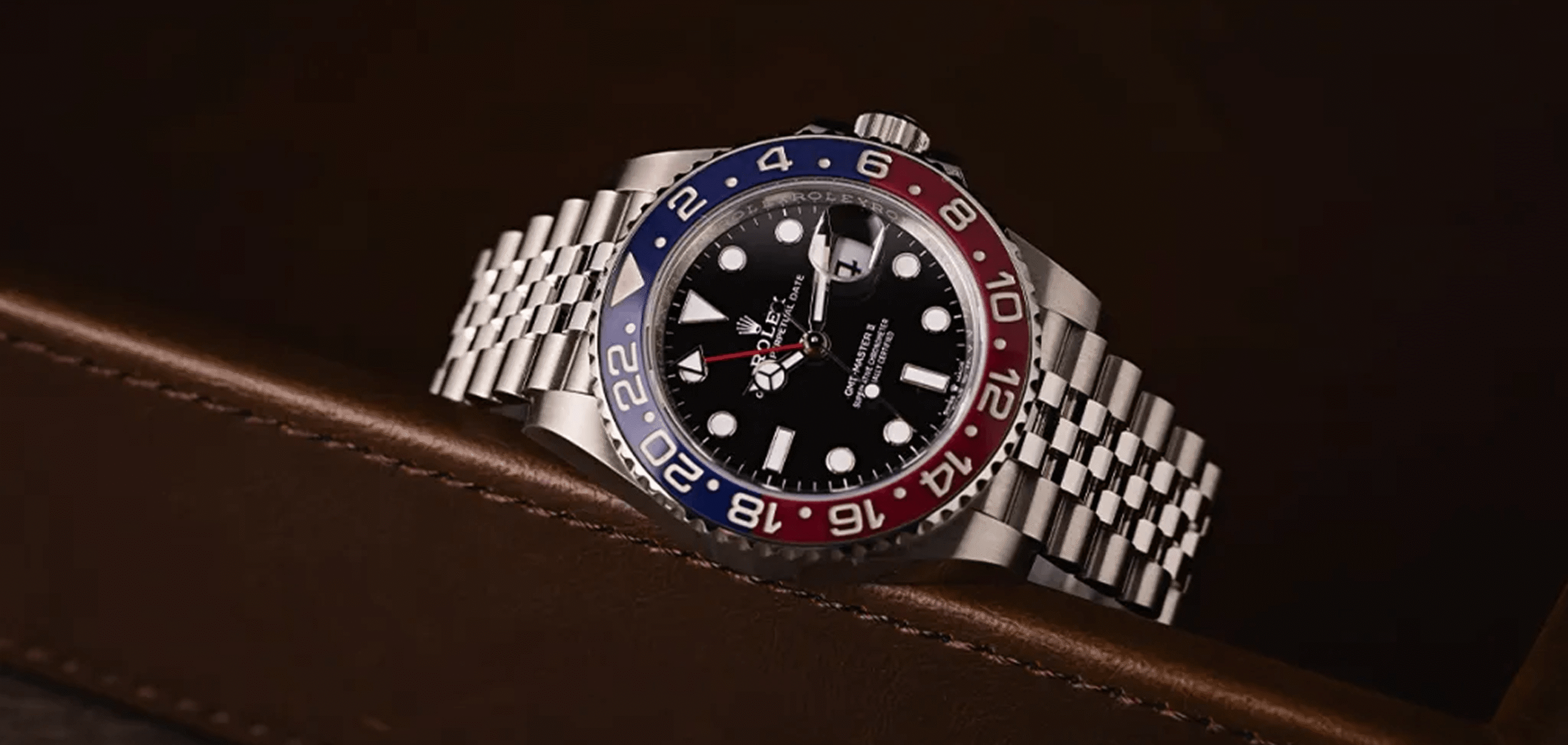
The GCC is not a passive watch market. FutureGrail, the Singapore-based luxury auction house, forecasts that GCC buyers will account for 20 to 25 percent of all top-value global watch auction transactions in 2026, with over $200 million in watches expected to pass into regional hands. That is one in every four significant watches sold at auction going to the Gulf. What that tells you is not just that GCC buyers are serious collectors. It tells you the sell side of this market is just as active, and far less covered.
If you have a watch you want to sell or trade in Dubai right now, this is what you need to know before you make any calls.
Understanding Your Options Before You Move
There are three realistic paths for selling a luxury watch in Dubai: outright sale to a dealer, consignment through a trusted reseller, and private sale. Each one serves a different situation. Picking the wrong one costs money.
Outright Sale to a Dealer
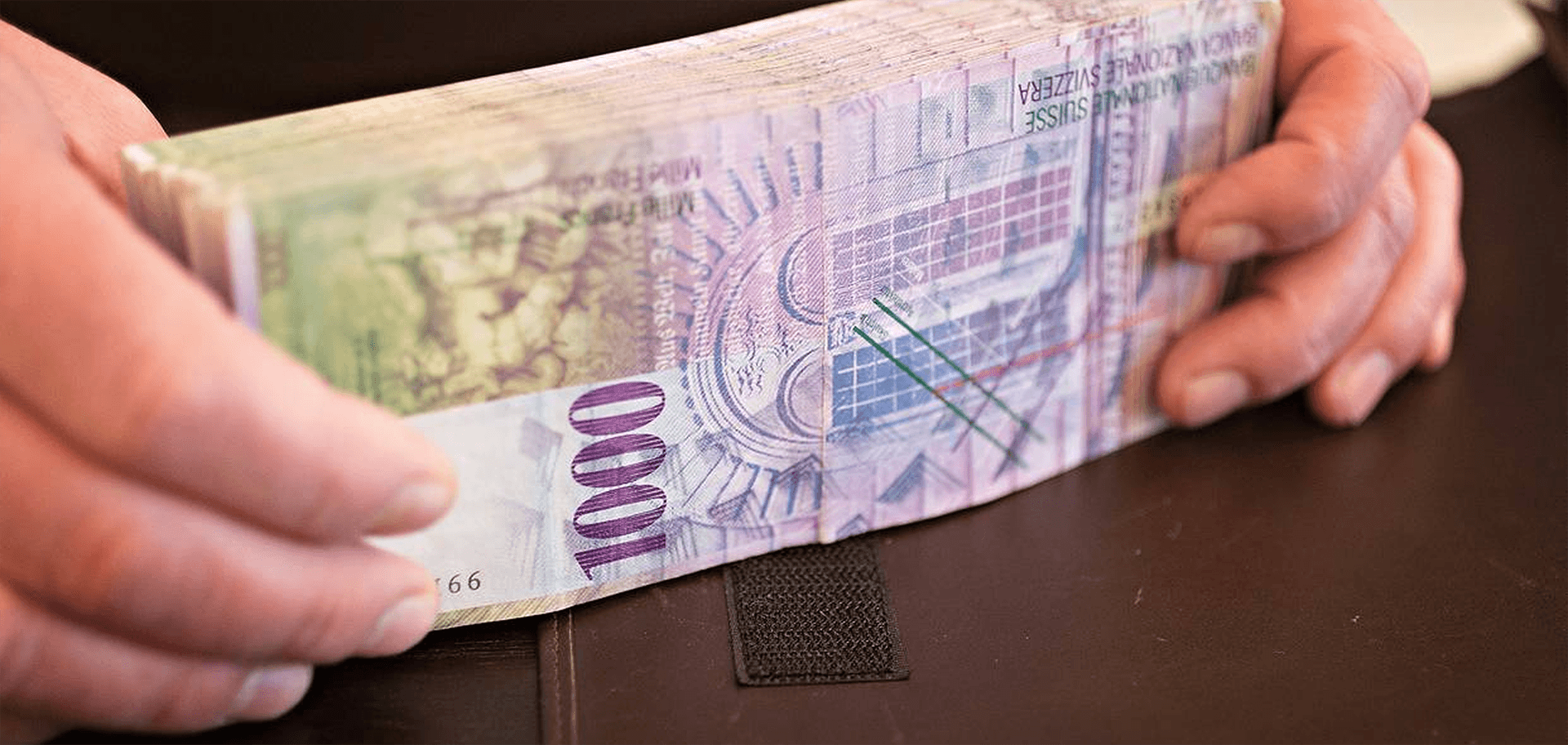
You bring the watch. The dealer inspects it, makes an offer, and pays you the same day. The process takes hours, not weeks. The trade-off is that the dealer needs to build in a resale margin, so you typically receive 10 to 15 percent less than what the watch would sell for on the open market. For most sellers who want certainty and speed, this is the right route.
Consignment
You hand the watch to a dealer who lists it on your behalf at a price you agree to. You keep ownership until it sells. You do not receive payment until the sale is complete, which typically takes 60 to 120 days. The upside: consignment tends to yield 10 to 15 percent more than an outright sale because the watch reaches a broader buyer pool at closer to its true market value. Dealers generally charge a commission of 15 to 30 percent of the final sale price, with most averaging around 20 percent.
Consignment makes sense when:
- The watch is a high-demand reference where market pricing is favorable
- You are not in a rush to receive funds
- You want maximum return without managing the sale yourself
Outright sale makes sense when:
- You need liquidity quickly
- The watch is a lower-demand reference where waiting for a buyer adds no clear upside
- You want a clean, documented transaction with no ongoing obligations
Private Sale
Selling directly to another collector produces the highest possible return on paper. No commission, no dealer margin. The problem is everything else. Verifying the buyer, handling payment securely, managing authentication disputes, and navigating the risk of fraud or robbery are all on you. Armed robberies targeting watch sellers have increased significantly in 2026 across major luxury markets. In a city like Dubai where transactions often involve meaningful sums in cash or bank transfer, the operational risk of a private sale is real. For most sellers, the extra margin does not justify the exposure.
What Documentation Does to Your Price
This is where sellers lose money without realizing it.
Original box and papers, meaning the Rolex box, outer box, warranty card, and any original receipts or service records, can add 20 to 35 percent to a watch’s resale value versus the same watch without documentation. On rare or discontinued references, that gap can be higher.
Here is the practical breakdown:
Warranty card. This is the most important document. It confirms the original sale date, the reference and serial number, and links the watch to its first retail transaction. For a buyer on the secondary market, this is the closest thing to a birth certificate.
Original box. Both inner and outer boxes signal that the watch was stored properly and treated with care. The absence of the box does not kill a sale, but it tells a story about how the watch was handled.
Service history. Any paperwork from an authorized service center adds to buyer confidence, particularly for watches older than five years. A full-service receipt showing genuine parts and movement work removes a major objection from serious buyers.
Original purchase receipt. Confirms the original retail price paid and the point of purchase. Useful for high-value pieces where provenance matters.
If you have all of these, keep them together. If you are missing some, be honest about what you have. A dealer who knows the Dubai market will price accordingly. One who tells you documentation makes no difference is either not serious or not honest.
Which References Move Fastest in Dubai

Not all watches are equal in this market. Dubai buyers are informed, and demand follows reference categories the way it does in London or Hong Kong.
Rolex sports steel. The Daytona 126500LN, the GMT-Master II Pepsi and Batman, and the Submariner Date are consistently the fastest-moving references in the Dubai secondary market. Current secondary market prices show the Daytona steel at AED 134,500, nearly double its retail price of AED 67,450. The GMT Batgirl Jubilee sits at AED 74,000 against a retail of AED 48,000.
Patek Philippe steel sport. The Nautilus and Aquanaut references remain in sustained demand. The Nautilus 5711 alone trades at AED 385,000 against a retail of AED 128,558, a 199 percent premium. These are not liquid in the same way as Rolex sports steel, but when a serious buyer is ready, they move at strong prices.
Audemars Piguet Royal Oak. The 15510ST trades at approximately AED 190,000 against a retail of AED 105,750, an 80 percent premium. Royal Oak steel references with full papers are among the most straightforward pieces to sell in Dubai’s market.
References that move more slowly or at lower premiums:
| Reference Type | Market Behavior |
| Dress watches (non-sports) | Demand is present but thinner; prices closer to retail |
| Gold Rolex (entry models) | Softened secondary market since 2024 correction |
| Off-brand luxury watches | Requires the right buyer; longer consignment periods typical |
| Heavily modified or polished | Significant value reduction; some buyers refuse outright |
The fastest sales in Dubai happen when a watch is complete, unmodified, and from a reference category with established local demand.
The Risk of Selling Without Verification
Here is the part most sellers do not think about until something goes wrong.
When you sell to an unverified buyer or through an unvetted platform, the authentication burden falls on whoever receives the watch. If that buyer later disputes the authenticity of a part, a dial, or a movement component, the chain of responsibility comes back to the seller. In a market as active as Dubai’s, with significant volume passing through grey market channels, this is not a theoretical concern.
Selling through a verified, authenticated reseller transfers that liability. The reseller conducts the inspection, documents the condition, and stands behind the piece. Both the seller and the buyer are protected. This is not just good practice for the buyer. It protects the seller’s reputation and closes the transaction cleanly with no recourse. If you want to understand what an authentication process actually checks, the WatchX authentication guide at watchxglobal.com walks through every point of inspection, from serial verification to movement checks, in practical terms.
How the Trade-In Option Works
Trading up is a separate decision from selling. If you want to exit one watch and move into another, a trade-in through a trusted dealer handles both sides of the transaction simultaneously, with no waiting period between the sale and the purchase.
At WatchX’s JLT office, the valuation, the trade credit, and the handover happen at the same table. You see the outgoing watch’s value, the incoming watch’s price, and the final cash difference in one session. There is no gap where your money sits in limbo, no separate sale to complete before you can commit to a purchase.
This structure is particularly useful for:
- Collectors trading across brands. Someone moving from a Rolex GMT to a Patek Aquanaut does not want to run two separate transactions.
- Buyers who want to trade up within a brand. Moving from a Datejust to a Daytona, for example, where the outgoing piece has strong market value.
- Anyone who wants to time the market. The current retail price increase on Rolex references means pre-owned models sourced before January 2026 carry more value against the new baseline. Trading that watch now rather than in six months captures that uplift.
You can submit a watch for a trade-in valuation directly at watchxglobal.com/trade-watches.
Preparing Your Watch for Sale: A Practical Checklist
Before you contact any dealer or reseller, do the following:
- Gather every document you have. Warranty card, box, receipts, service records. Even if the set is incomplete, bring what exists.
- Do not polish the watch. A polished watch shows altered condition to any expert buyer. Scratches on sports models are expected and accepted. A freshly polished case raises questions about what was being hidden.
- Check the reference and serial number. These are on the case between the lugs at 12 and 6 o’clock on modern Rolex references. Confirm they match your paperwork before the meeting.
- Know the market price. Check current Chrono24 listings for your reference in similar condition and with similar documentation. This gives you a realistic anchor before any negotiation.
- Have a realistic number. The secondary market premium exists for the references buyers want most. It does not apply to every piece. A Datejust 41 with papers might sell near retail. A Daytona steel with papers is a different conversation entirely.
For a deeper look at the references that carry sustained value over time versus those that track closer to retail, the WatchX piece on watch market corrections explains what happened to premiums during the 2022 to 2024 correction and what the current market is pricing in.
Why Dealing Through a Trusted Source Protects Both Sides
Dubai’s watch market in 2026 is not the same market it was in 2022 at peak premiums, and it is not the same market it was in 2024 at the bottom of the correction. It is a market that rewards buyers and sellers who know what they are doing and work with people who do the same.
A fully authenticated reseller like WatchX brings current market data, not guesswork, to every valuation. The prices offered are based on what watches are actually trading for in Dubai right now, not on outdated catalogues or conservative estimates designed to protect a dealer’s margin at the seller’s expense.
For sellers new to the pre-owned market, the WatchX reference number guide at watchxglobal.com is worth reading before any meeting. Understanding your own reference, what it tells a buyer, and what the market currently pays for it is the single most useful preparation a seller can do. It is the same information the buyer will have.
The collecting mistakes piece at watchxglobal.com covers the errors that cost sellers money, from holding a watch too long after a market peak to selling a modified piece without disclosing the alteration. Both mistakes are common. Both are avoidable.
Related reading: WatchX Authentication Guide | Common Watch Collecting Mistakes | How to Read a Watch Reference Number | The Watch Market Correction: What It Means for UAE Collectors | Trade in your watch at WatchX